
Coffee Process
Media

CEO NOTES
The spread of organised coffee cultivation in Ethiopia - as related by lsrael Degefa.
Coffee spread to the highland areas of Sidamo where the trees are newer. In my home area, the trees can be 65-85 years old. Trees this mature no longer produce good, flavoursome coffee but farmers have been resistant to replanting due to the perceived interruption in their income. On a side note, in response to this issue Kerchanshe now runs a range of ...

Have you ever wondered what makes coffee grown at higher altitudes richer and more flavorful compared to coffee grown at lower elevations? The answer lies in the unique growing conditions and the impact they have on the roasting process.
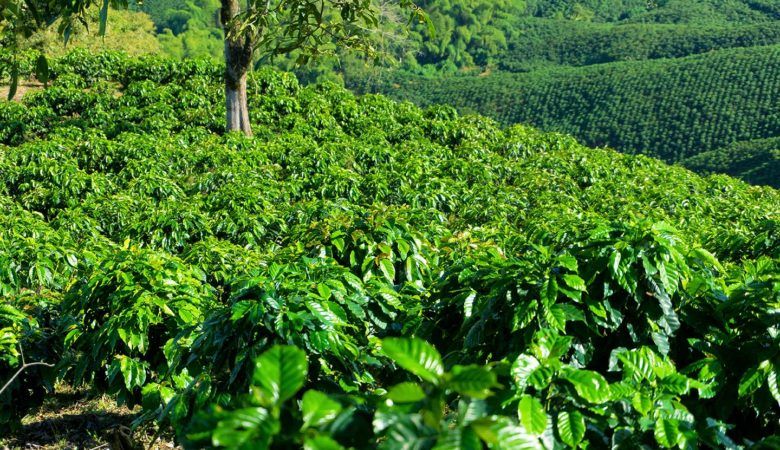
Coffee plants grown at higher altitudes benefit from cooler temperatures and reduced atmospheric pressure, which slow down the growth of the beans. This extended growth period allows the beans to develop complex sugars, resulting in a richer and more nuanced flavor profile. Typically, coffee grown below 3,000 feet tends to produce a milder taste with less complexity. In contrast, beans from higher altitudes are denser and more flavorful due to the slower maturation process.
One might assume that the denser beans from high altitudes require higher roasting temperatures. However, the reality is quite different. The dry, thin air at higher elevations means that coffee beans roast more quickly and require less time. This unique condition helps to avoid overheating, which can lead to burnt or flat flavors. At high altitudes, coffee roasting benefits from lower temperatures and shorter roasting times, which preserves the delicate flavors and aromatic compounds of the beans.
Roasting coffee beans at high altitudes requires precise control over temperature and time. The thinner air accelerates the roasting process, allowing the beans to reach their optimal flavor profile more quickly. A shorter roasting time at lower temperatures helps to retain the complex flavor compounds, resulting in a smoother and more nuanced cup of coffee. This method enhances the natural flavors of the beans and ensures that the roast is neither overcooked nor underdeveloped.
Ethiopia, renowned as the birthplace of coffee, produces some of the most delightful and high-quality coffee in the world. The country’s high-altitude regions provide the perfect conditions for growing coffee with exceptional flavor profiles. At Kerchanshe, the largest coffee producer and exporter in Ethiopia, the majority of farms are situated at high elevations. This strategic advantage allows Kerchanshe to harvest mature coffee cherries that yield a truly remarkable and delicious cup of coffee.
Coffee grown at higher altitudes offers a distinctive advantage in terms of flavor and quality. The combination of slow growth, complex sugar development, and precise roasting techniques results in a superior coffee experience. Ethiopia’s high-altitude coffee farms, such as those operated by Kerchanshe, exemplify the benefits of this approach, delivering exceptional coffee that showcases the true essence of high-altitude cultivation and roasting. By understanding and embracing the nuances of high-altitude coffee growing and roasting, we can appreciate the artistry and science behind every cup of coffee.
Related Blogs
October 21, 2021

December 28, 2022