Coffee Process
Media

CEO NOTES
The spread of organised coffee cultivation in Ethiopia - as related by lsrael Degefa.
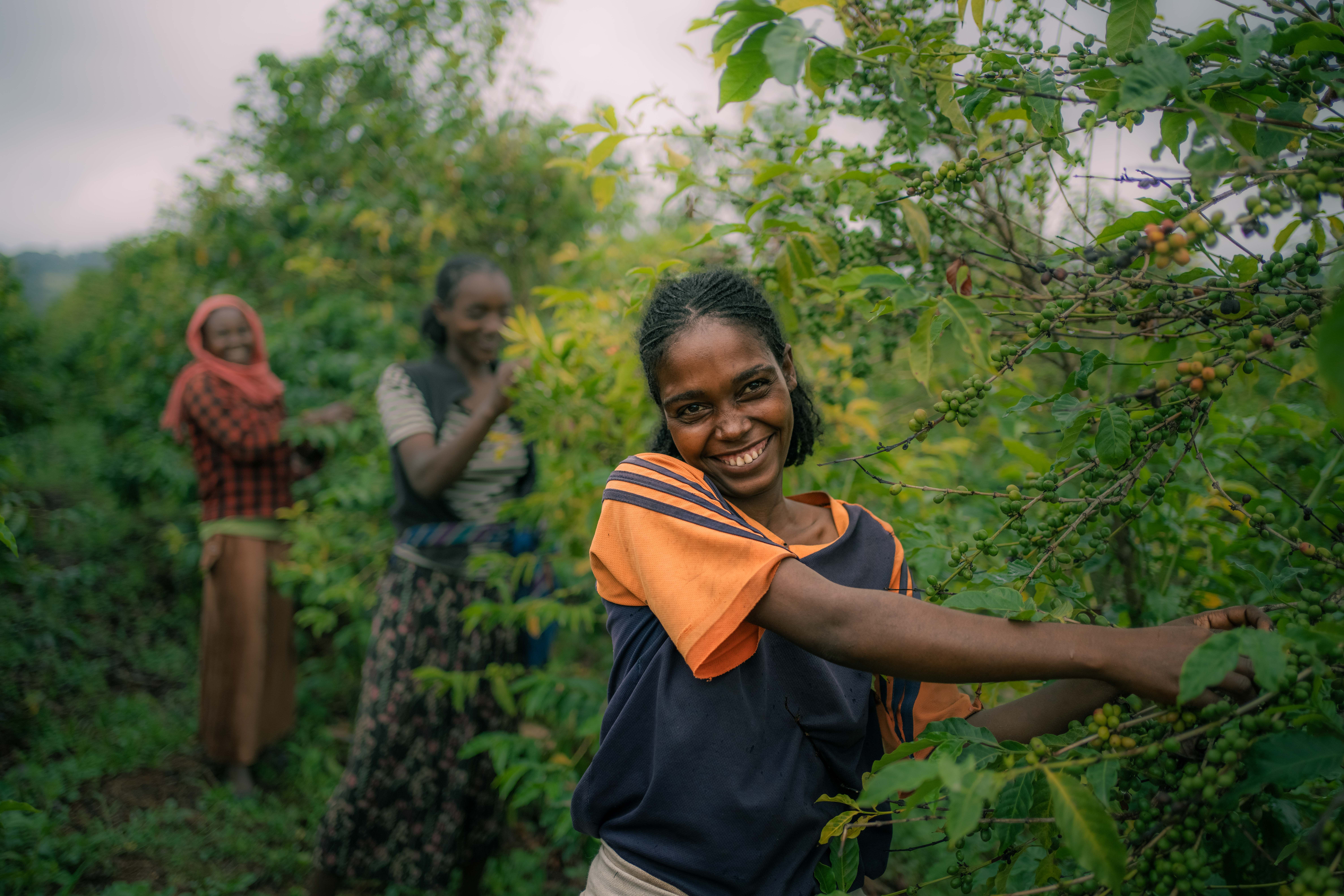
Coffee spread to the highland areas of Sidamo where the trees are newer. In my home area, the trees can be 65-85 years old. Trees this mature no longer produce good, flavoursome coffee but farmers have been resistant to replanting due to the perceived interruption in their income. On a side note, in response to this issue Kerchanshe now runs a range of ...
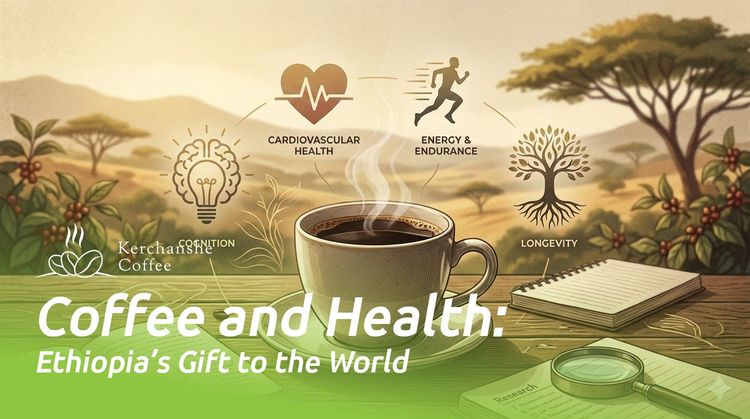
Coffee is more than a drink. It is a tradition, a culture, and a source of wellbeing. At Kerchanshe Coffee, we take pride in Ethiopia’s role as the birthplace of coffee, where the bean has been cherished for centuries not only for its flavor but also for its power to bring people together. The Ethiopian coffee ceremony is a symbol of hospitality, dialogue, and community, reminding us that coffee is woven into the fabric of daily life. Today, modern science confirms what our heritage has long suggested: coffee enriches both body and spirit, offering measurable health benefits alongside cultural meaning.
Coffee as a Natural Food
Coffee as a Natural Food
Coffee begins as a seed on a tree, nurtured in Ethiopia’s fertile highlands where altitude, climate, and soil create ideal growing conditions. Unlike many processed beverages, coffee is a natural food, rich in thousands of compounds that contribute to its unique taste and health profile. These include antioxidants that fight cellular damage, anti-inflammatory agents that protect against disease, and caffeine, which stimulates alertness and energy. Because of this complexity, coffee has become one of the most studied foods in the world. Decades of independent research consistently show that coffee is linked to improved health outcomes, making it not just a cultural staple but a natural ally for a healthier life.
Improved Memory, Cognition, and Mood
Improved Memory, Cognition, and Mood
The Ethiopian coffee ceremony has always been about more than taste—it is about clarity, conversation, and connection. This cultural practice mirrors what science now confirms: coffee supports brain health. Research shows that moderate coffee consumption improves memory, sharpens cognition, and reduces risks of depression and age-related decline. Its compounds, including caffeine and polyphenols, are associated with enhanced attention, faster reaction times, and neuroprotection against diseases like Alzheimer’s and dementia. For many, the daily ritual of coffee is not only energizing but mentally restorative, helping people stay alert, focused, and emotionally balanced. In this way, coffee bridges tradition and science, offering both cultural enrichment and measurable cognitive benefits.
Reduced Risk of Chronic Disease
Reduced Risk of Chronic Disease
Coffee is more than comfort; it is protection. Chronic diseases such as heart disease, diabetes, and cancer affect millions worldwide, yet research shows that coffee consumption is linked to lower risks of these conditions. Coffee’s antioxidants and anti-inflammatory compounds are believed to play a key role in reducing oxidative stress, improving vascular health, and supporting metabolic balance. Global health authorities, including the World Health Organization and the American Cancer Society, recognize coffee’s role in lowering the risk of liver, womb, and skin cancers, as well as cardiovascular disease. For Kerchanshe, this reinforces the idea that every cup of Ethiopian coffee is not only a source of pleasure but also a contribution to resilience and longevity.
Energy and Endurance
Energy and Endurance
From athletes to everyday routines, coffee provides a natural energy boost that enhances both performance and productivity. Its compounds improve alertness, lung function, and reaction time, while reducing inflammation and oxidative stress. Sports nutrition experts confirm that coffee supports endurance in activities ranging from running and cycling to weightlifting and high-intensity training. Even outside athletic contexts, coffee helps people sustain energy throughout the day, making it a trusted companion for students, professionals, and anyone seeking focus and vitality. Ethiopian coffee, with its rich flavor and natural strength, embodies this dual role—fueling both body and spirit.
Longevity and Life
Longevity and Life
Perhaps the most inspiring finding is that coffee drinkers live longer. Large-scale studies, including those using UK Biobank data, show that enjoying three cups a day is associated with reduced overall mortality. These benefits extend across different types of coffee—instant, ground, and even decaffeinated—suggesting that the protective compounds in coffee go beyond caffeine alone. For Kerchanshe, this is more than data; it is a testament to the vitality that Ethiopian coffee brings to the world. Coffee’s ability to improve cognition, reduce chronic disease risk, and enhance endurance all contribute to longer, healthier lives. Each cup becomes not just a moment of enjoyment but a step toward wellbeing and longevity.
Related Blogs
Nov 21, 2025
Jan 29, 2026
November 21, 2025