
Coffee Process
Media

CEO NOTES
The spread of organised coffee cultivation in Ethiopia - as related by lsrael Degefa.
Coffee spread to the highland areas of Sidamo where the trees are newer. In my home area, the trees can be 65-85 years old. Trees this mature no longer produce good, flavoursome coffee but farmers have been resistant to replanting due to the perceived interruption in their income. On a side note, in response to this issue Kerchanshe now runs a range of ...
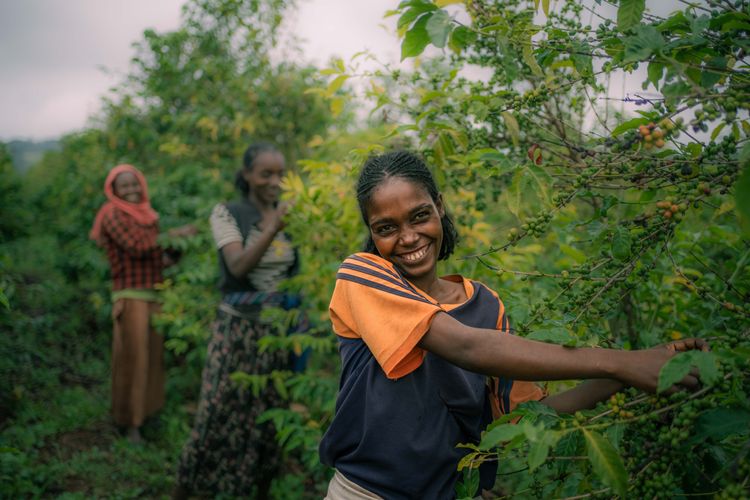
in the coffee-growing regions of Western Ethiopia, the months between January and March bring more than just the end of harvest — they mark a season of abundance, joy, and renewal. As freshly earned income from coffee sales begins to circulate, villages awaken with new energy. Markets brim with color, laughter fills the air, and the rhythm of prosperity beats in every home. Families stock up on grain and spices, repaint their houses, buy new clothes, and prepare for long-awaited gatherings. Neighbors share generous meals, traditional music reverberates through the hills, and weddings flourish — sometimes lasting for days in a whirlwind of dancing and celebration. It’s a moment when debts are paid, dreams are rekindled, and communities feel reborn through the blessings of coffee.
The Rhythm of Celebration — Sirba Halkanii
The Rhythm of Celebration — Sirba Halkanii
Among the Oromo communities of Western Ethiopia, one of the most captivating traditions of this festive period is the dance known as Sirba Halkanii. Typically held in the two weeks leading up to a marriage, this late-evening celebration continues deep into the night. At its heart lies the Dibbee — a clay and hide drum, played with mesmerizing rhythm by young women. The sound of the Dibbee carries far through the night, calling youth from nearby villages to join the dance. It is a sound that signals unity, love, and excitement — a pulse that connects generations.
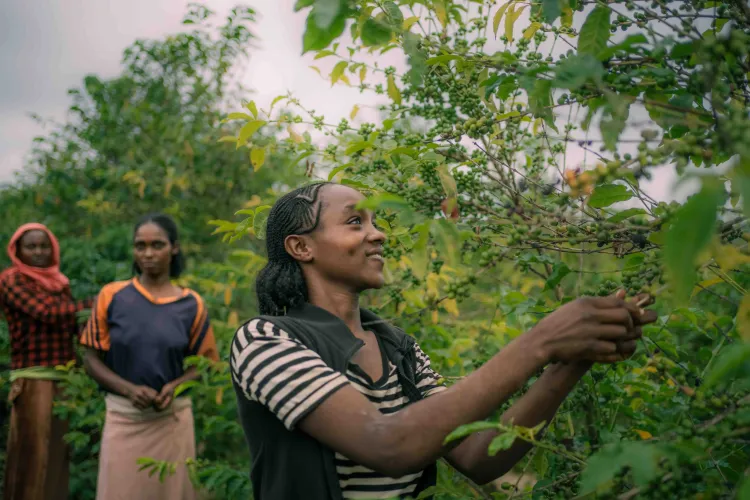
Under the moonlight, young men and women dressed in their finest traditional attire gather to dance, clap, and chant in synchronized joy. Each movement, each verse, tells a story — of longing, beauty, and hope. One of the most beloved lines of the Sirba Halkanii song echoes softly across the night: Jalli addaataaree akka baala bunaa, Waa najallataaree akka gaafa duraa? Everything is glistening like a coffee leaf — would you still love me like you did in the old days? The verses, poetic and tender, remind everyone that coffee is not merely a crop, but a symbol of life — a reflection of love, resilience, and renewal
The Spirit of the Waanbadee
The Spirit of the Waanbadee
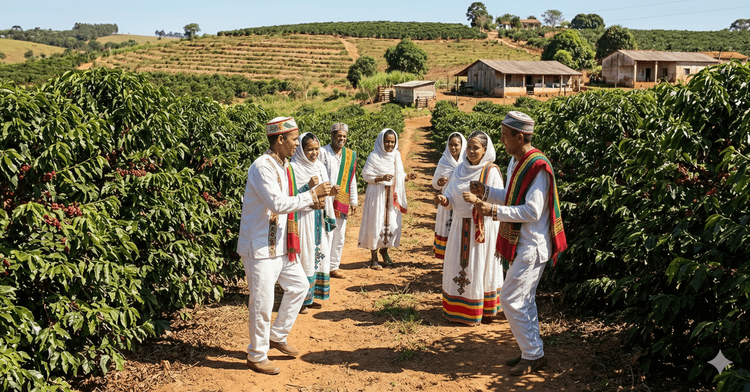
In this cultural landscape, the figure of the Waanbadee emerges — young men known for their skill in traditional dance and Faccee, a form of stick fighting. Too often misunderstood outside their culture, the Waanbadee were not outlaws, but icons of youth, energy, and pride. They were the ones who would chase the rhythm of the Dibbee through the moonlit fields, pressing an ear to the ground to catch the drumbeat’s direction. To be a Waanbadee was to embody courage, art, and community spirit — values deeply tied to the honor codes of coffee-growing societies.
“Buna Dhuga” — The Culture of Coffee and its Connection
“Buna Dhuga” — The Culture of Coffee and its Connection
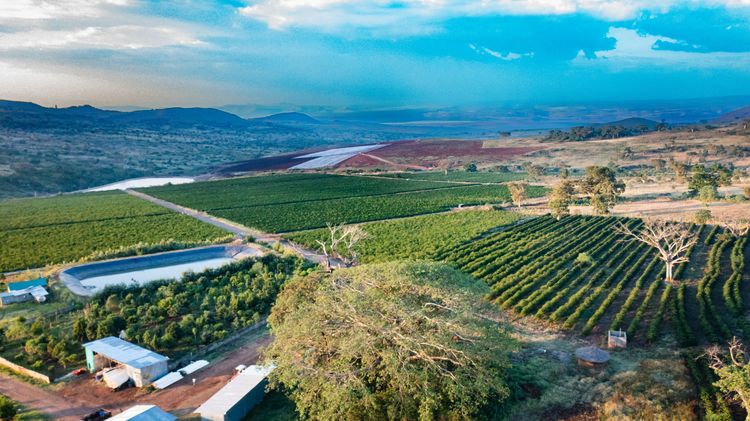
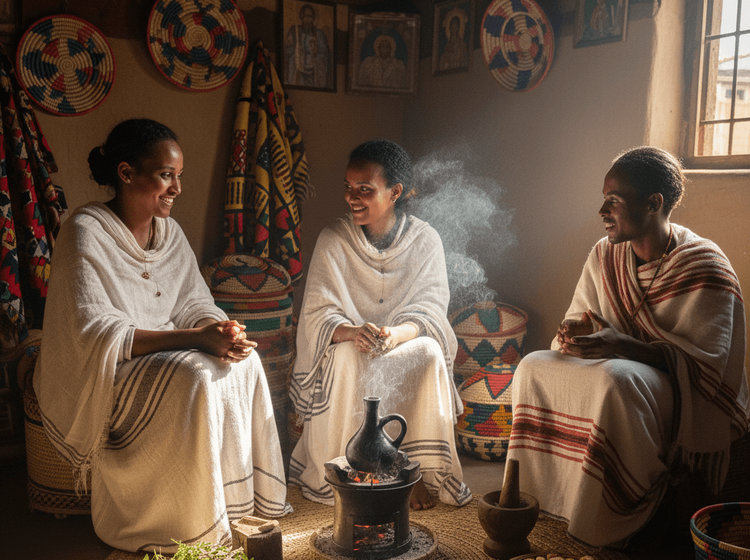
As the celebrations wind down, coffee remains at the heart of every gathering. Across Western Ethiopia, an invitation to drink coffee — “Buna Dhuga” in Afan Oromo — is far more than an offer of refreshment. It is a gesture of unity, a call to share stories, laughter, and peace. In many neighborhoods, three to five families take turns hosting communal breakfasts followed by a coffee ceremony. When the aroma of freshly roasted beans fills the air, someone calls out, “Buna dhugaa!” — “Come, let’s drink coffee!” Guests arrive, bringing warmth and conversation. Meals are shared, plans are made, and before parting ways, one final phrase is spoken — a simple but powerful blessing: “Let us have coffee and peace, and may we always stand together.”
Beyond the Bean
Beyond the Bean
For Kerchanshe Coffee, stories like these are at the very core of Ethiopia’s coffee heritage — reminders that every cup holds centuries of tradition, culture, and community. Coffee is not only a livelihood; it is a language of connection, a rhythm of life that continues to unite people from farm to family, from season to season. As we celebrate the harvest each year, we honor the deep roots of our coffee culture — where every bean tells a story, and every story begins with “Buna Dhuga.” Kerchanshe Coffee — where heritage, humanity, and harmony brew together.
Related Blogs
October 21, 2021
December 28, 2022